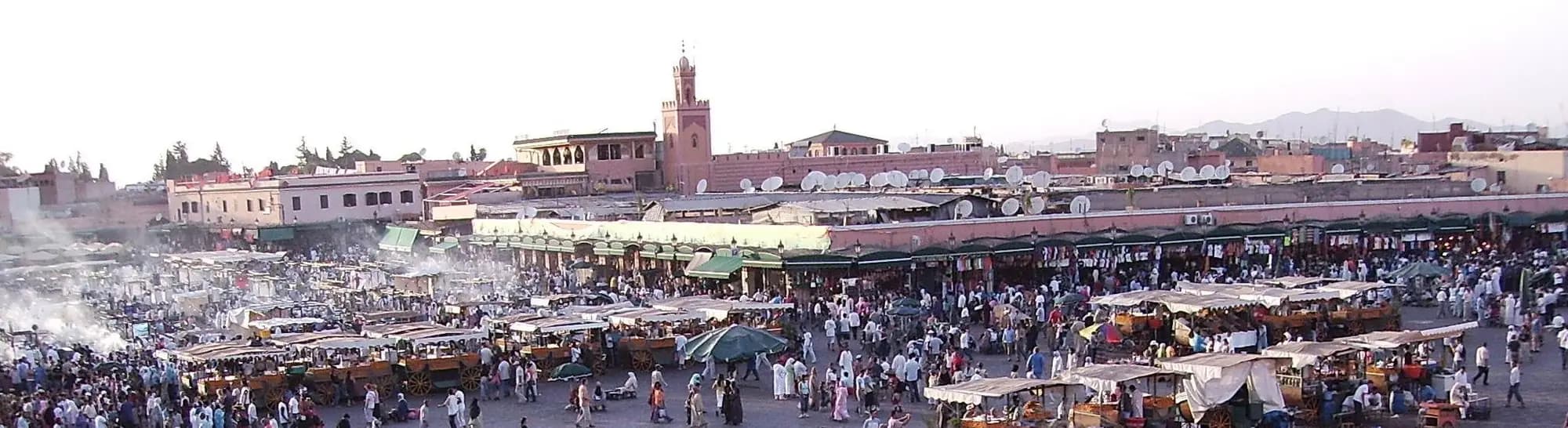
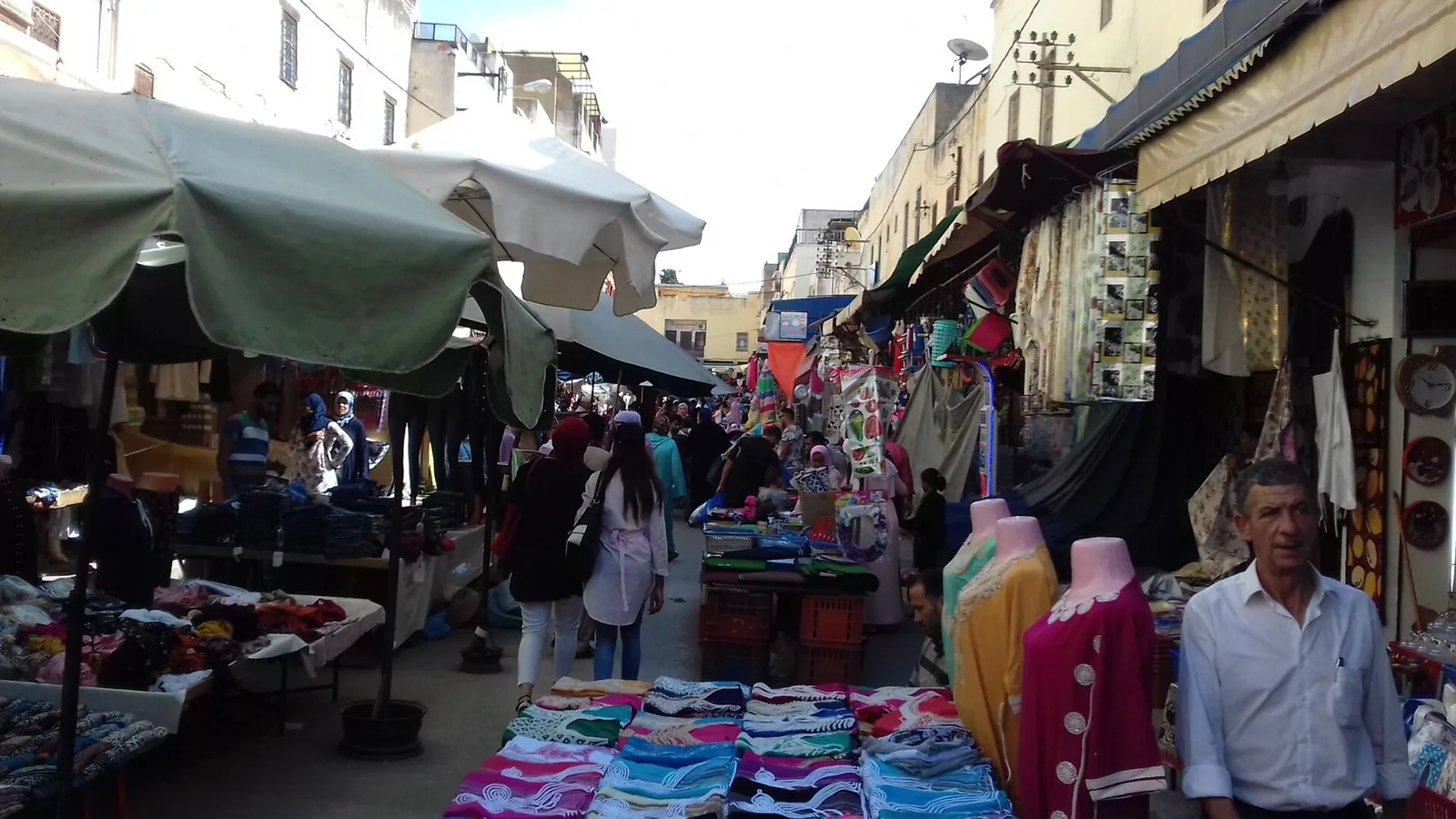
Meknes Medina
Meknes Medina is the historic urban heart of one of Morocco’s imperial cities
Meknes area
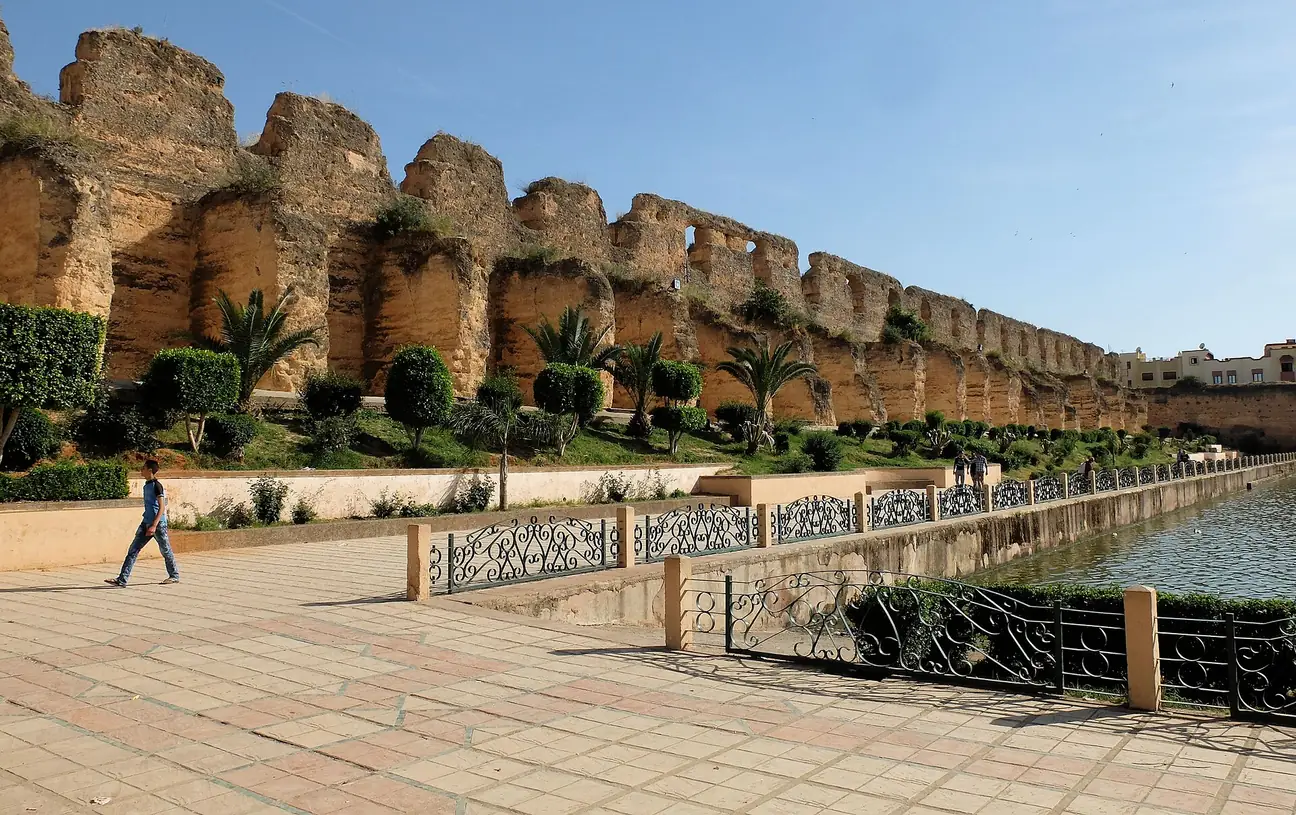
Heri es-Souani forms part of Meknes’s imperial-era service architecture, commonly described in relation to extensive storage and stable facilities from the reign of Moulay Ismail.
Heri es-Souani forms part of Meknes’s imperial-era service architecture, commonly described in relation to extensive storage and stable facilities from the reign of Moulay Ismail. Its masonry and large spaces reveal an aspect of imperial city planning beyond decorative gates. The adjacent Sahrij Souani basin can be interpreted in the same visitor guide rather than becoming a separate thin page. Current entry arrangements and restoration status must be verified before publication of ticket or opening details.
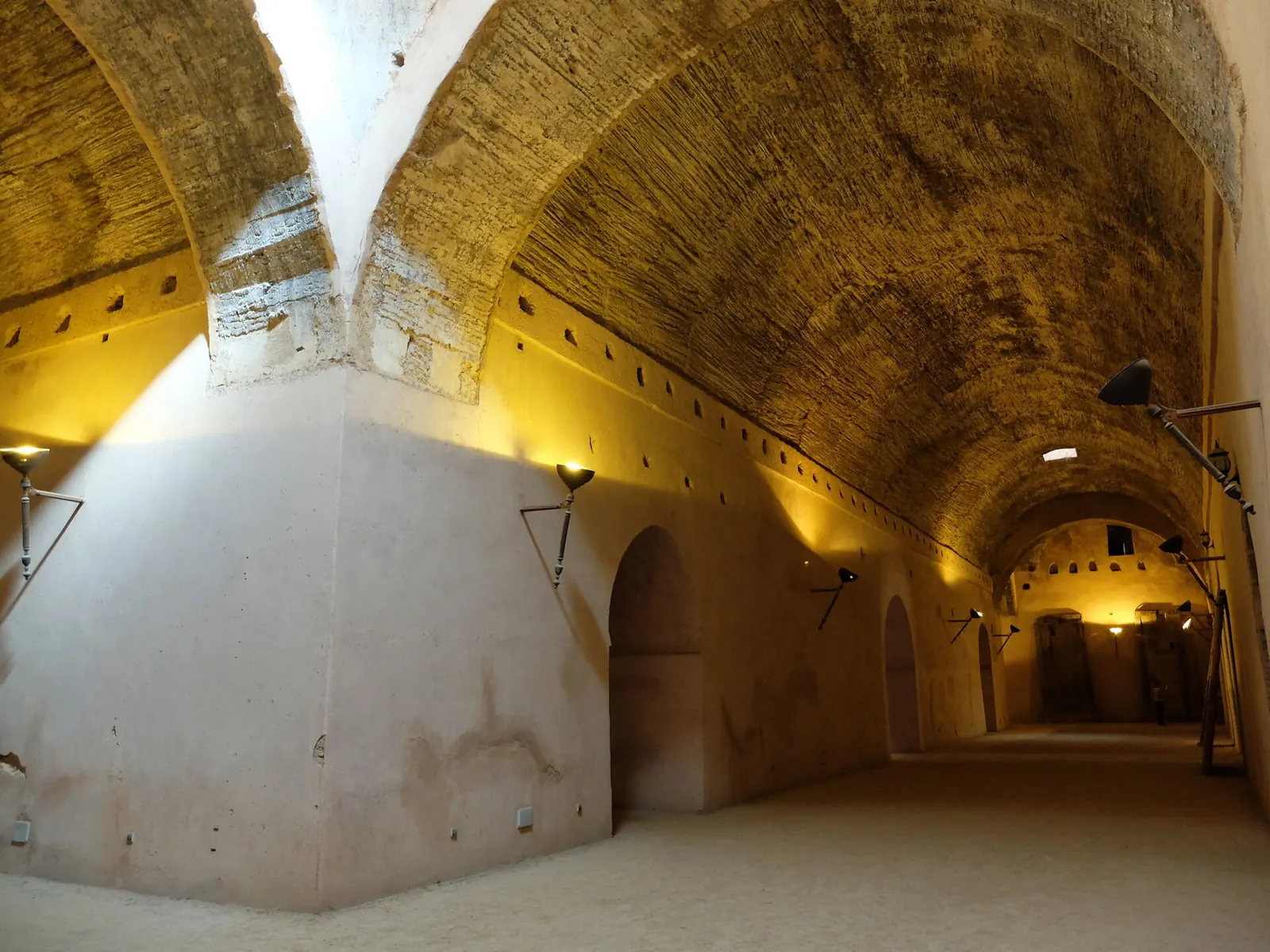
Photos from Heri es-Souani
Travel tips
Yes. The adjacent Sahrij Souani basin is usually seen during the same visit as Heri es-Souani.
Meknes Medina is the historic urban heart of one of Morocco’s imperial cities
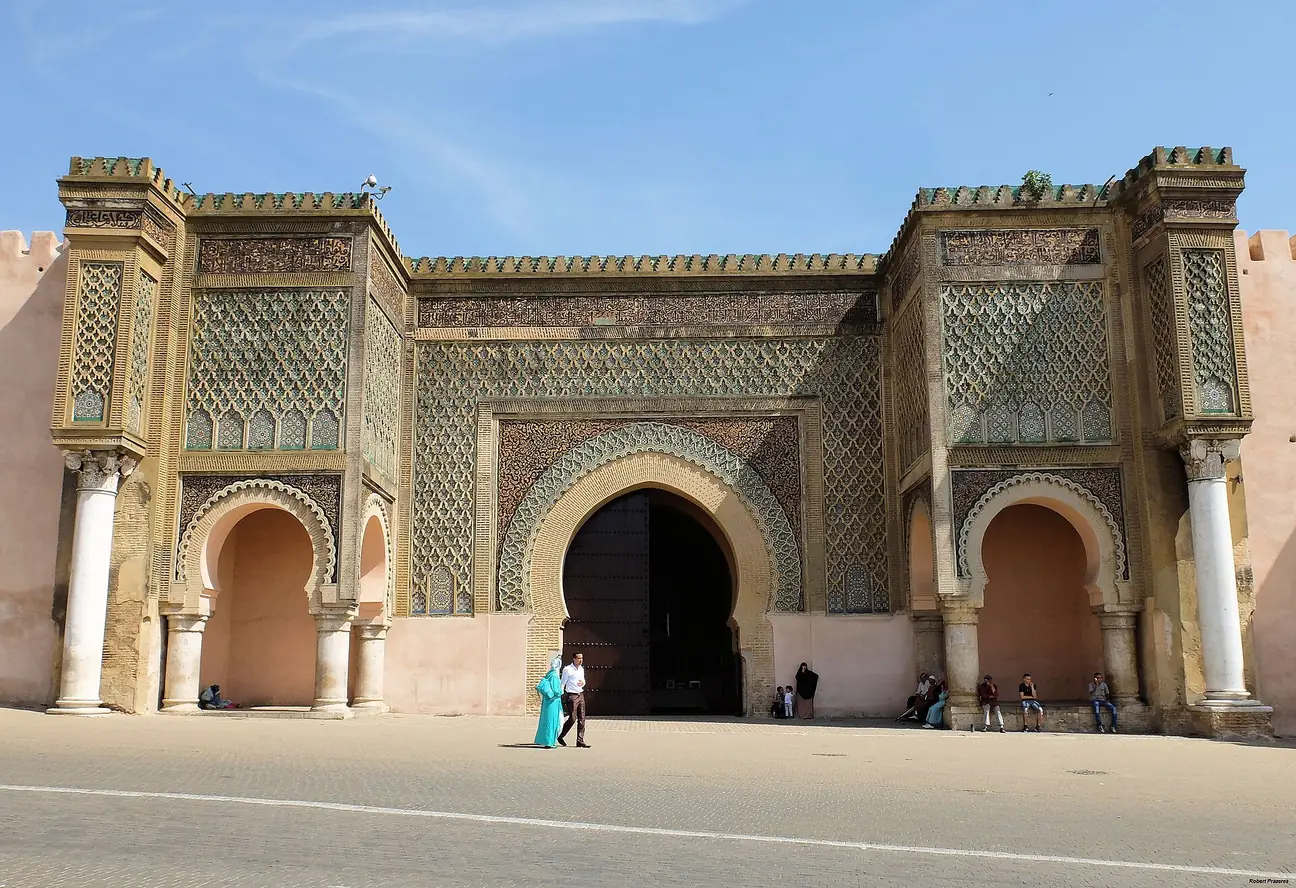
Bab Mansour is the grand monumental gate facing the El Hedim area and one of the most recognizable landmarks of imperial Meknes
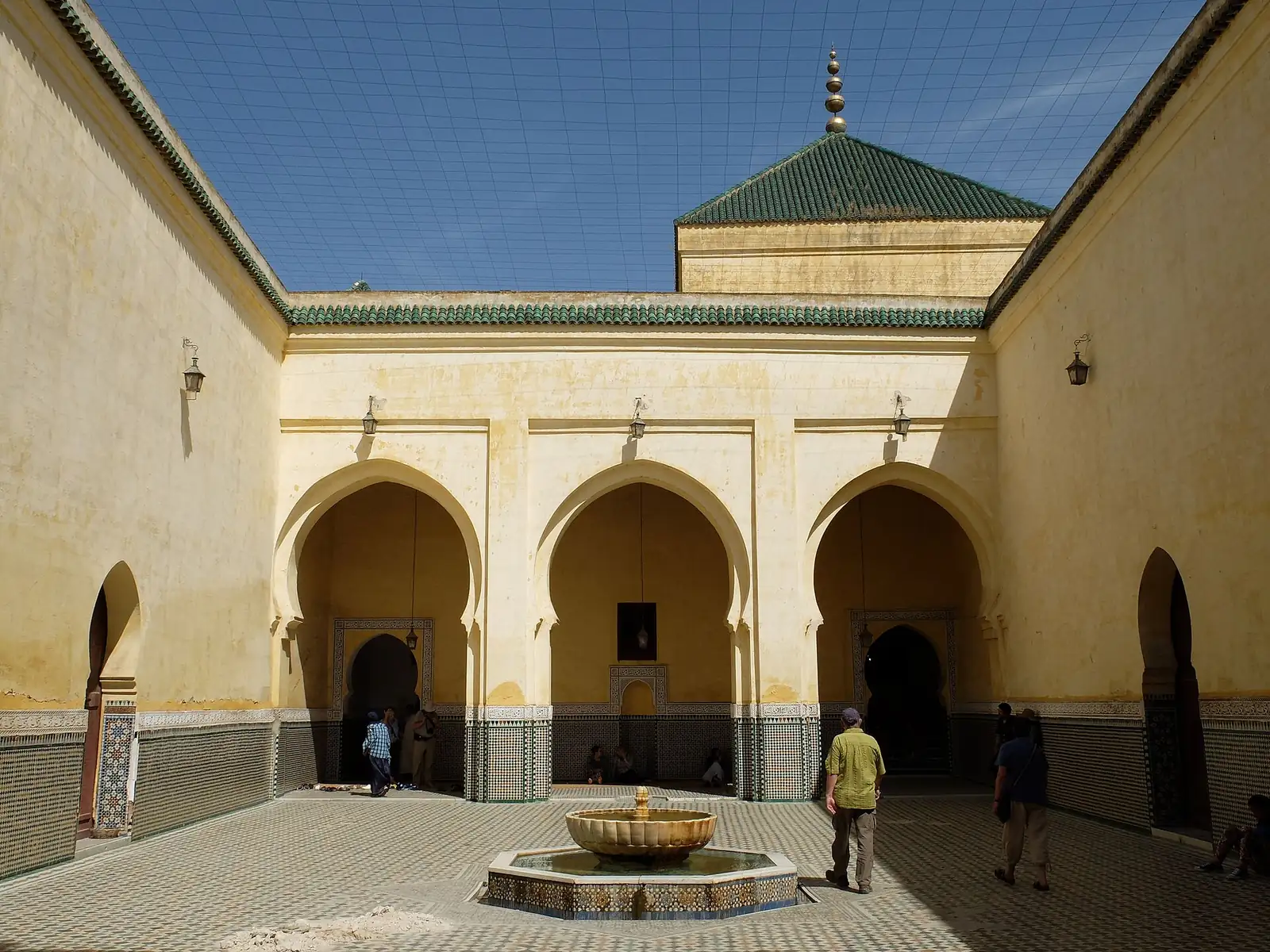
The Moulay Ismail Mausoleum is an important religious and architectural monument in the imperial quarter of Meknes, associated with the Alaouite ruler who transformed the city in the seventeenth and early eighteenth centuries.

Volubilis is an extensive archaeological site outside Meknes, inscribed on the UNESCO World Heritage List for the remains of an ancient city shaped by Mauritanian, Roman and later cultures.
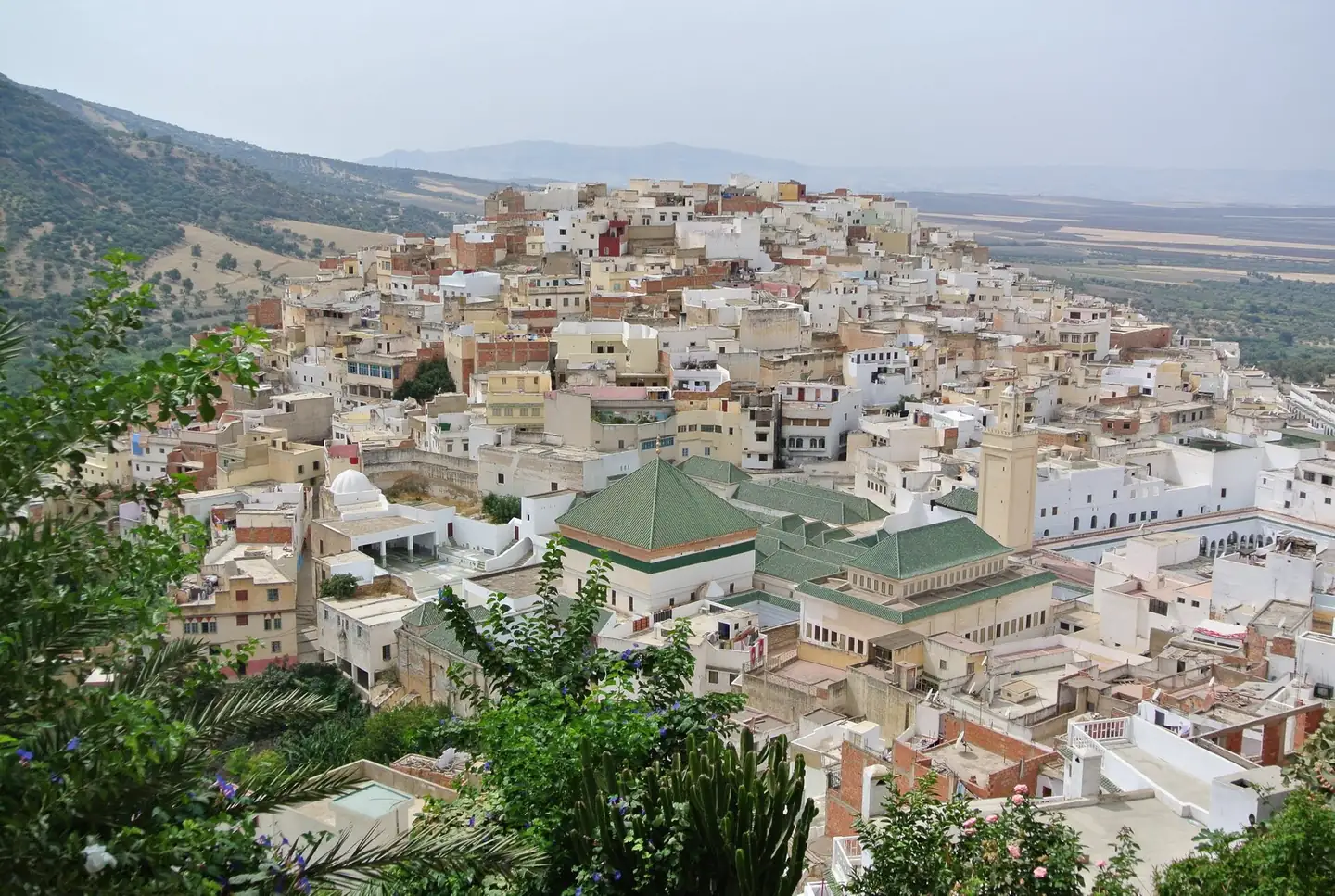
Moulay Idriss Zerhoun is a historic hillside town near Volubilis and Meknes with a significant place in Morocco’s early Islamic history